Sharp pull round
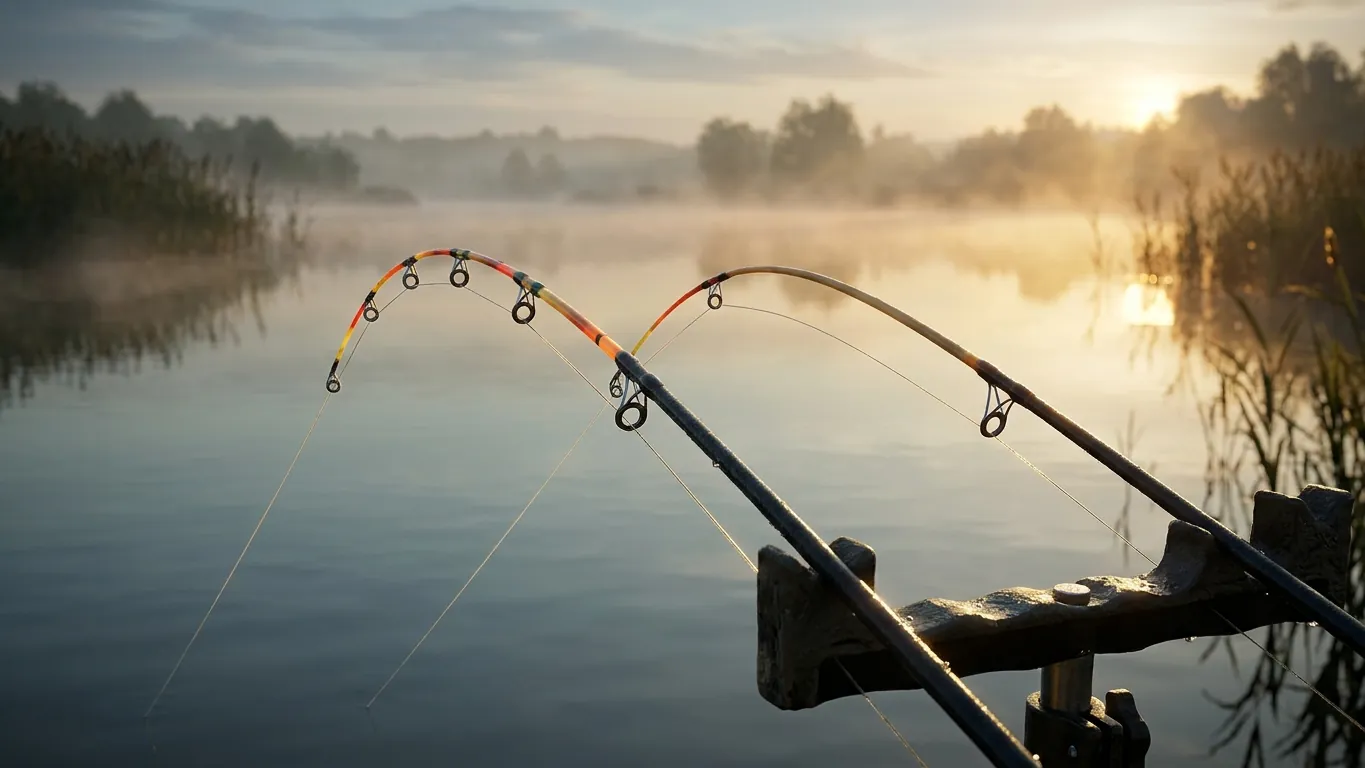
The tip bends firmly and stays bent, often a confident take as a fish moves away with the bait.
In feeder fishing, almost everything you know about what happens below the surface arrives through a thin rod tip. This article explains how to set up the rod so the tip speaks clearly and how to interpret what it shows.
When the feeder is on the bottom, you cannot see the fish, the bait or the feeder. What you see is the tip, and every movement it makes is a signal passed up the line. Bites, current, wind, drifting debris and fish brushing against the line all reach the tip in the same way.
The skill lies in separating useful signals from background movement. This starts with good setup. A tip that is too stiff hides delicate bites; a tip that is too soft is overloaded by the feeder and current and looks busy all the time. The goal is a tip that rests calmly in a slight bend, so changes stand out clearly.
After casting, place the rod on its stand and slowly take up slack until the tip shows a small, steady bend. This is your neutral position. In Russian Fishing 4, the rod is usually set on a stand where you can watch the tip against the water or sky, and keeping it at a consistent angle makes reading easier.
Many feeder anglers prefer the rod angled slightly to one side of the line, rather than pointing straight at the feeder. This allows the tip to bend sideways, which shows movement more clearly. On flowing water, keeping the rod higher can lift more line out of the current and reduce the pull on the tip.
Once the neutral bend is set, avoid adjusting it constantly. A stable reference is what makes small changes readable.
These patterns are general guides rather than fixed rules; context always matters.
The tip bends firmly and stays bent, often a confident take as a fish moves away with the bait.
Quick, light movements may indicate small fish testing the bait or picking at the groundbait.
The tip suddenly straightens as the fish moves toward you and lifts or shifts the feeder.
A gradual change in bend can mean a cautious bite or simply the rig moving in the current.
Not every movement is a bite. Fish swimming through the feeding area may brush against the line, producing a quick twitch or a sharp, short pull that does not develop. These are often called line bites. They are useful information, because they suggest fish are present, but striking at them usually results in a missed chance and a disturbed swim.
Current and drifting objects can create slow, steady changes in the tip that look like bites at first glance. If the tip keeps changing in the same direction without the characteristic decisive movement of a take, the rig may be shifting and a heavier feeder could help.
The best way to learn the difference is to watch carefully and note what happens after each type of movement. Over time, patterns become recognizable.

Timing depends on the fish and the movement. A firm pull round that keeps developing is usually a clear moment to strike. With small, repeated taps, waiting for a more definite movement often works better than reacting to the first twitch.
A drop back calls for picking up the slack quickly before striking, since the line is no longer tight. Keep the strike controlled rather than violent, especially with thin leaders. Remember that your observations are the most reliable guide; if a certain pattern keeps leading to hooked fish at a venue, trust that pattern.
 Organizing the hours between the first cast and the last
A practical guide to organizing a feeder session in Russian Fishing 4: choosing a spot, arranging rods, managing time and keeping useful notes.
Read more
 Why the feeder rewards a slower kind of attention
An opinion piece on why patience, observation and small adjustments make feeder fishing in Russian Fishing 4 more rewarding and easier to understand.
Read more
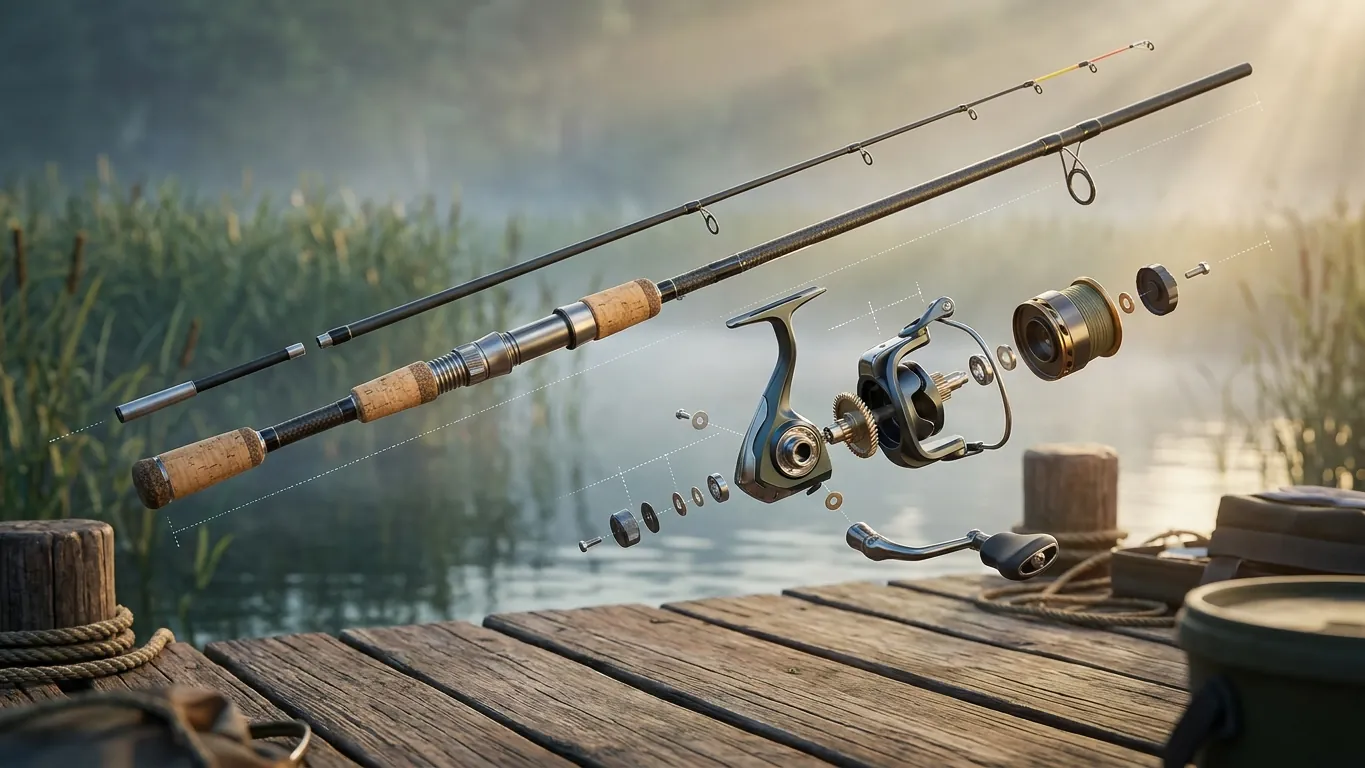 How a feeder setup fits together, part by part
A part-by-part look at feeder tackle in Russian Fishing 4: rod, quiver tip, reel, main line, leader and hook, and how they work together.
Read more