Organizing the hours between the first cast and the last
A productive feeder session is rarely an accident. This guide covers how to choose a spot, arrange multiple rods, manage your time at the water and keep notes that improve the next visit.
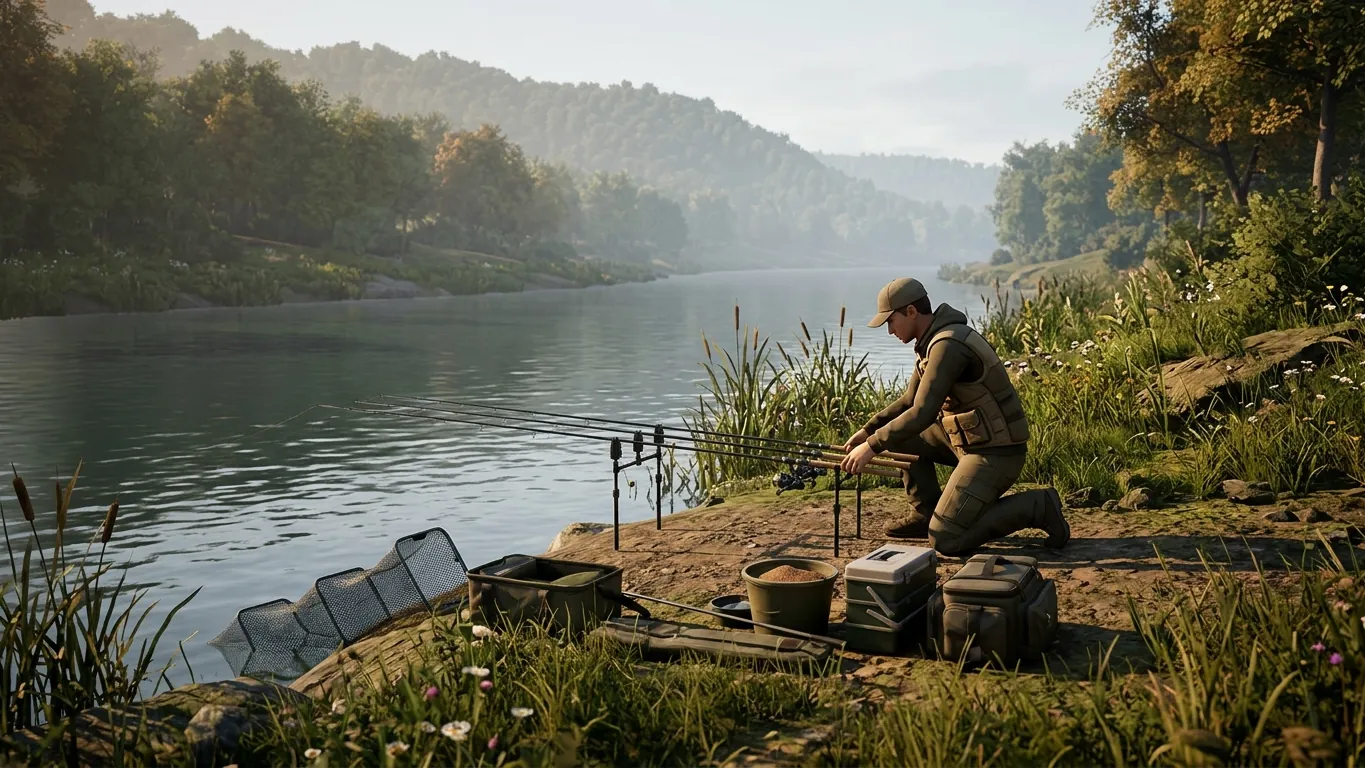
Choosing a spot with intent
Every session starts with a location. In Russian Fishing 4, venues offer many places along the bank, and each one gives access to different depths, bottom types and distances. Before unpacking, take a moment to decide what you are looking for: a deeper channel, a shelf where depth changes, a calmer area beside faster water, or a spot near features such as weed beds.
Use whatever tools the game gives you to explore the bottom, such as checking depth with test casts. A spot that looks attractive from the bank may be uniform and featureless underwater, while an ordinary-looking stretch may hide a useful drop-off. A few minutes of exploration often saves an hour of waiting in the wrong place.
Arranging rods and stands
When you fish with more than one rod, organization becomes important. Place the rods so their tips are easy to see at a glance and do not overlap visually. Keeping them in a consistent order, such as from short distance to long distance, helps you remember which rod is fishing which spot.
Consider giving each rod a distinct role. One might fish the main feeding area with a feeder, another could explore a different distance, and a third might use a plain bottom rig with a different bait. This spreads your chances and also gives you comparative information: if one rod consistently gets more bites, that tells you something about where and how fish are feeding.
Avoid casting rods so close together that lines cross, which can cause tangles during a fight.
Managing time: mixing, casting and recasting
A feeder session has several repeating tasks: preparing groundbait, recasting each rod, playing fish, and checking or changing bait. With multiple rods, these tasks can overlap and create a busy, disorganized rhythm.
A simple solution is to stagger your recasts. Rather than recasting every rod at the same moment, space them out so you are always attending to one rod while the others settle. Prepare enough groundbait for a stretch of the session in advance, so you are not mixing at the moment a bite comes.
Plan for changes in conditions as well. Fish activity can shift through the in-game day, and being ready to adjust depth, distance or bait keeps the session responsive rather than fixed.
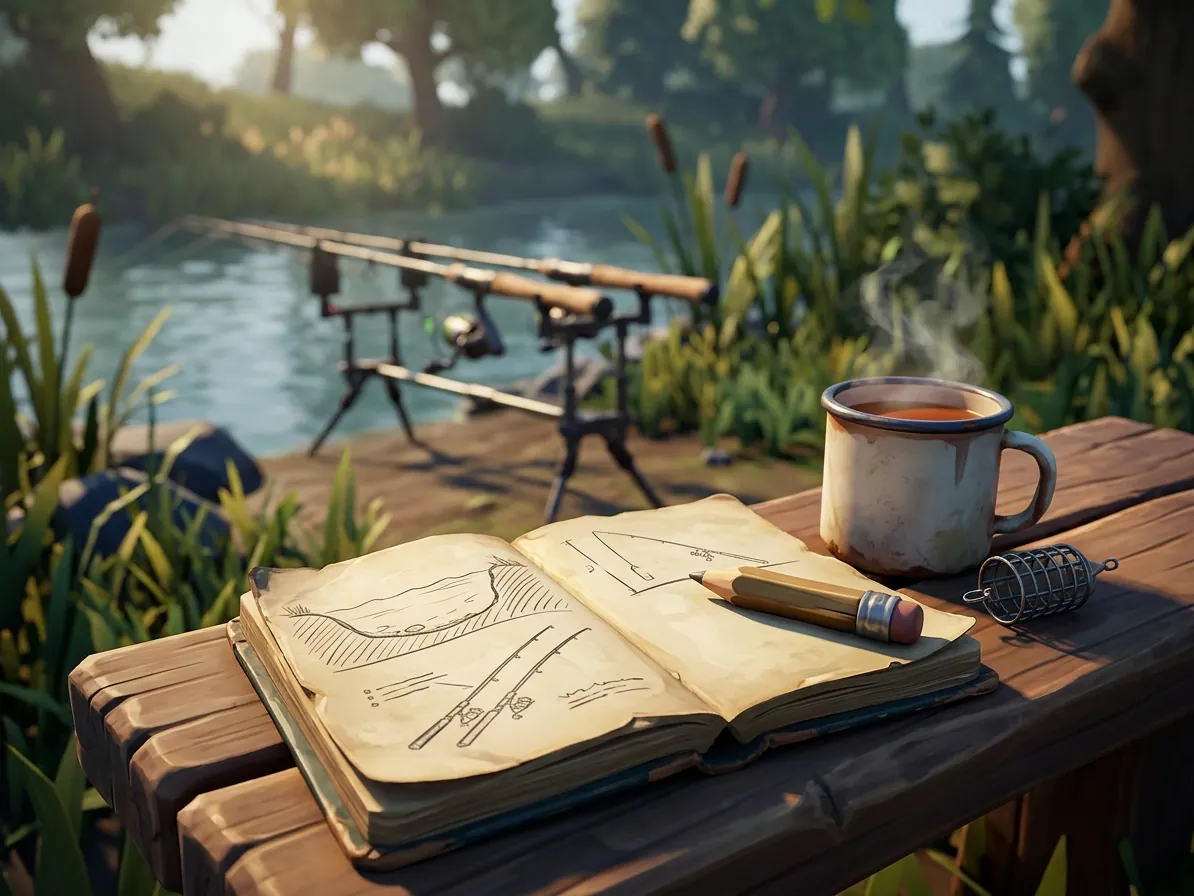
Keeping notes like a field journal
One of the most useful habits in a simulation game is keeping a session log. Note the venue, the spot, the time of day, the depth and distance, the rig, the groundbait and the bait for each rod. Then record when bites came and what was caught.
These notes do not need to be elaborate. Even a few lines per session build up into a reference that shows patterns more clearly than memory alone. You may find that a certain spot produces bites mainly at particular times, or that one feeder weight worked better than another at a specific distance.
Notes also help when returning to the game after a break, since you can pick up where you left off instead of starting from scratch.
A session template you can adapt
This outline gives each session a clear structure.
- 01
Explore the spot
Check depths and distances with a few test casts before committing.
- 02
Set up rods with roles
Assign each rod a distance, rig and bait, and place them in a clear order.
- 03
Lay the feeding area
Make accurate opening casts to build a defined bed of groundbait.
- 04
Keep a staggered rhythm
Recast rods in turn and prepare feed ahead of time.
- 05
Log the results
Write down what worked and what did not for the next session.
Related articles
 Why the feeder rewards a slower kind of attention
An opinion piece on why patience, observation and small adjustments make feeder fishing in Russian Fishing 4 more rewarding and easier to understand.
Read more
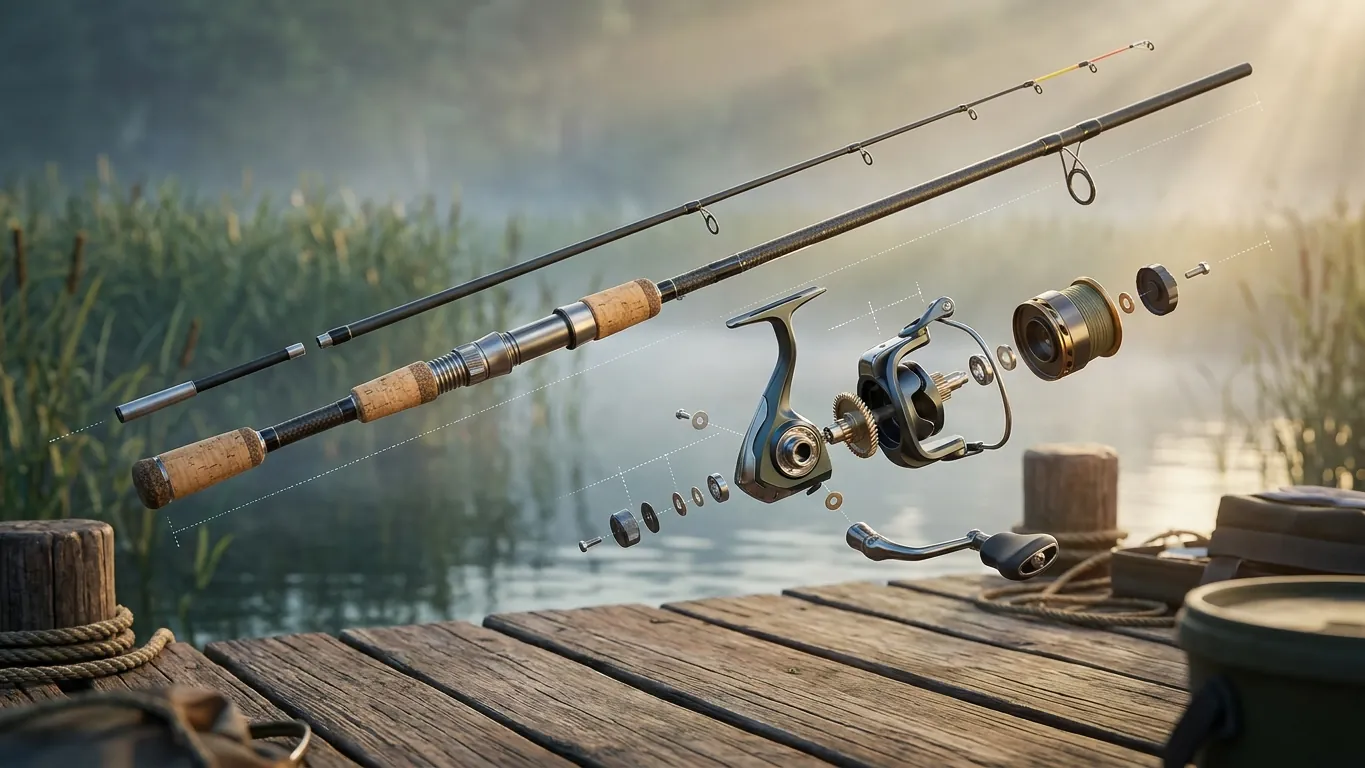 How a feeder setup fits together, part by part
A part-by-part look at feeder tackle in Russian Fishing 4: rod, quiver tip, reel, main line, leader and hook, and how they work together.
Read more
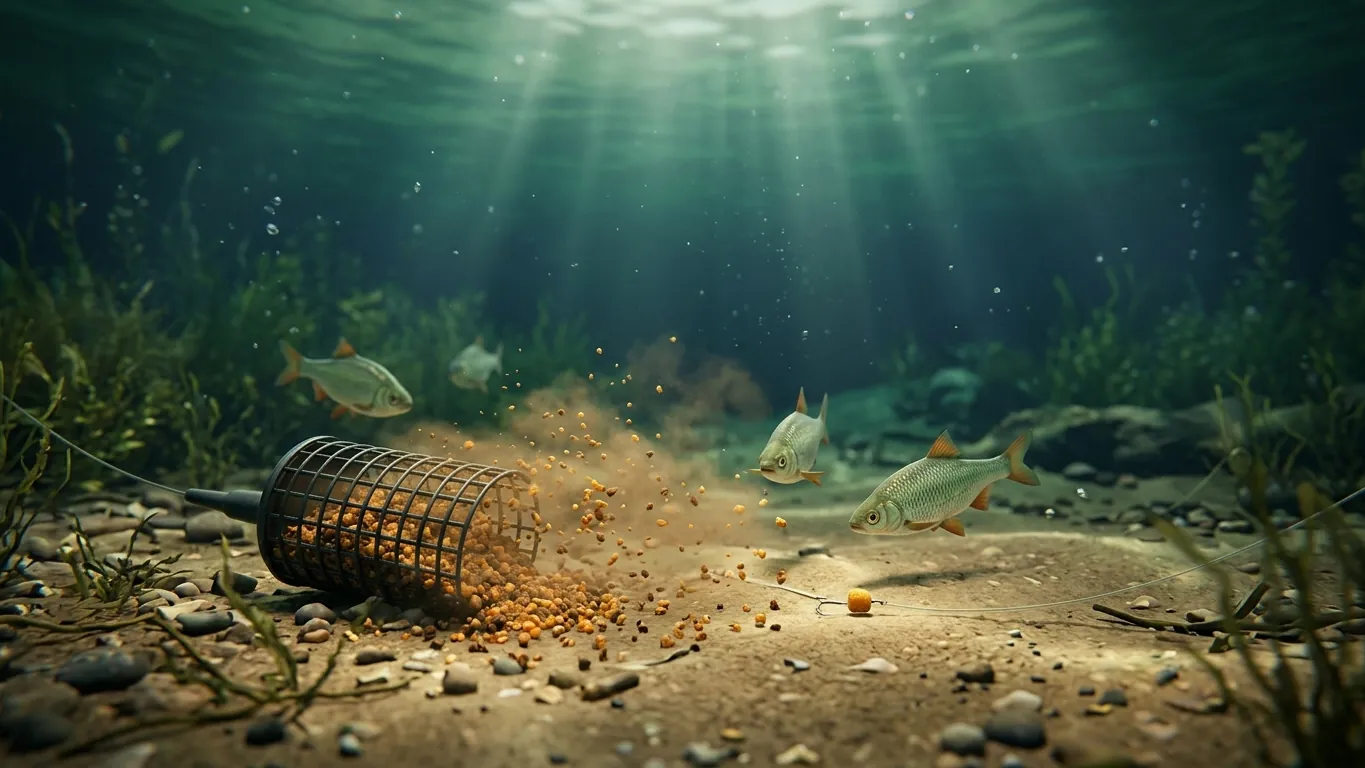 Choosing the small container that does a big job
How different feeder types in Russian Fishing 4 deliver groundbait, why weight matters, and how to choose a feeder for distance, flow and fish mood.
Read more