Choosing the small container that does a big job
The feeder is both a casting weight and a delivery system for bait. This explainer looks at the main feeder styles you will meet in the game and how each one shapes what happens on the bottom.
Why the feeder is more than a weight
On a bottom rig, a lead simply holds the bait in place. A feeder does that too, but it also carries food to the exact spot where your hook bait lies. Every cast tops up the feeding area, and over time this builds a small zone on the bottom that draws fish in and holds them.
That dual role is why feeder choice matters. The feeder's shape decides how quickly the groundbait escapes, its weight decides how far it flies and whether it stays put, and its size decides how much food goes in with each cast. Changing the feeder changes the whole character of the session.
Cage feeders and loose groundbait
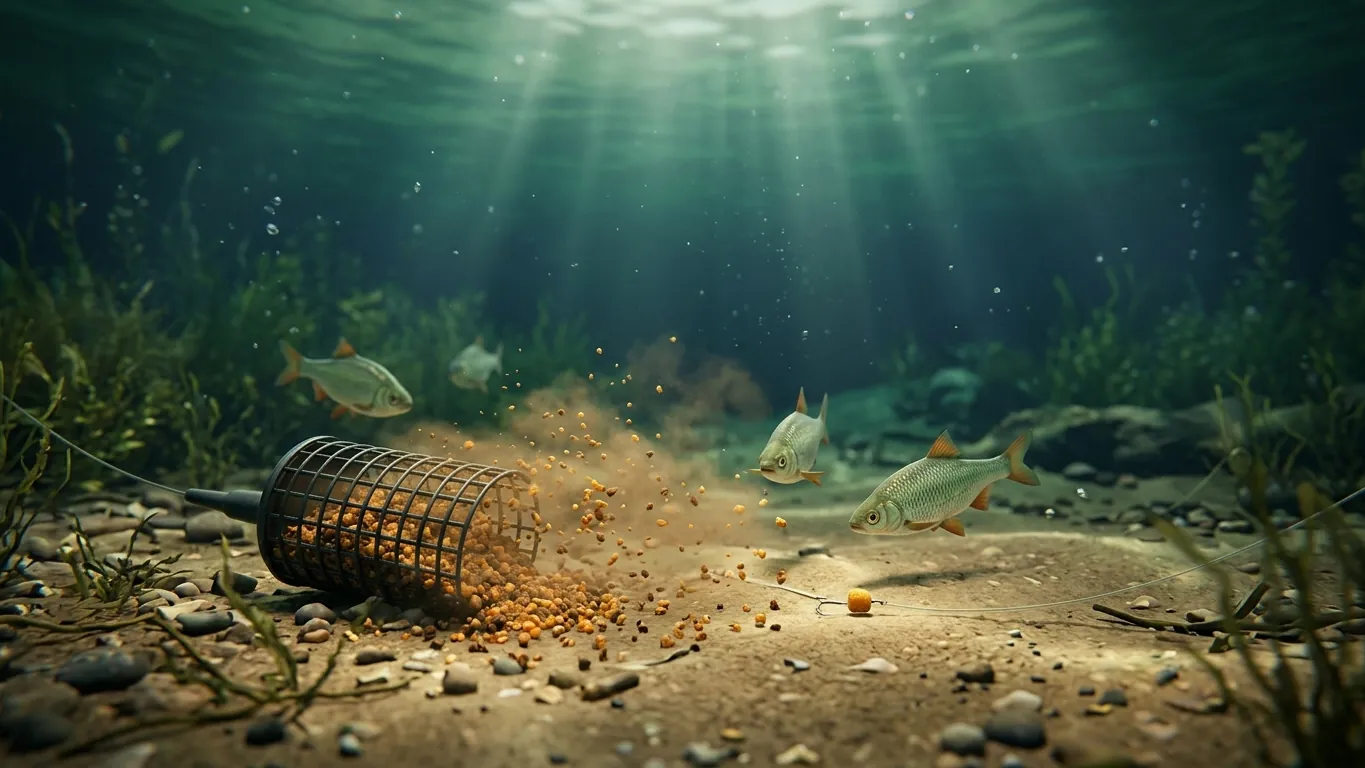
Cage feeders are open mesh or wire containers that you pack with groundbait. Once they hit the bottom, water passes through the cage and the mix breaks apart, spreading a small cloud of particles around the rig.
This makes cage feeders a natural choice for building a feeding area at the start of a session. A looser mix empties quickly and creates a wider spread; a firmer mix holds together during the cast and releases more slowly. In practice, many players start with a cage feeder, make several quick casts to lay down feed, and then settle into a steadier rhythm.
Method-style feeders and compact presentation
Method-style feeders have a flat base with ribs or a frame, and the groundbait is pressed around them rather than packed inside. The hook bait is often embedded in or placed right next to that compressed ball of feed.
The result is a very compact presentation. Instead of a wide cloud, you get a small, concentrated pile with the hook bait sitting in the middle of it. This can work well when fish are feeding confidently on the bottom and you want them to find the hook bait quickly. Because the feed is so close to the hook, leaders for this style are usually short.
Other feeder shapes and the tackle shop
Depending on the tackle available to you in the game, you may also find feeders with closed or partly closed bodies and simple open-ended tubes. These are designed for different baits and release speeds. Closed or partly closed designs tend to hold loose particles, such as small live baits or grains, until they reach the bottom, then release them gradually.
Rather than memorizing every model, look at three things on any feeder: how open the body is, how heavy it is and how much it holds. Those three properties tell you most of what you need to know about how it will behave.
Matching feeder weight to distance and current
Weight serves two purposes. It provides casting mass, so heavier feeders generally reach further, and it holds the bottom. On still lakes a light feeder can stay exactly where it lands. On a flowing river, a light feeder may roll downstream, dragging the hook bait away from the feed and putting a constant bend in the quiver tip.
A good test is to cast, let the feeder settle and watch the tip for a while. If the tip slowly straightens and then bends again as the rig shifts, the feeder is probably too light for the flow. Step up in weight until the tip holds a steady bend, while staying within the rod's casting range.
Choosing a feeder in practice
A simple sequence helps narrow down the choice at any venue.
- 01
Read the water
Note whether the venue is still or flowing and roughly how far your target spot is.
- 02
Pick the release style
Choose an open cage for building a feeding area or a compact style for a tight presentation.
- 03
Set the weight
Select the lightest feeder that reaches the spot and holds the bottom without rolling.
- 04
Confirm with the tip
Watch the quiver tip after settling and adjust weight if the bend keeps changing.
Related articles
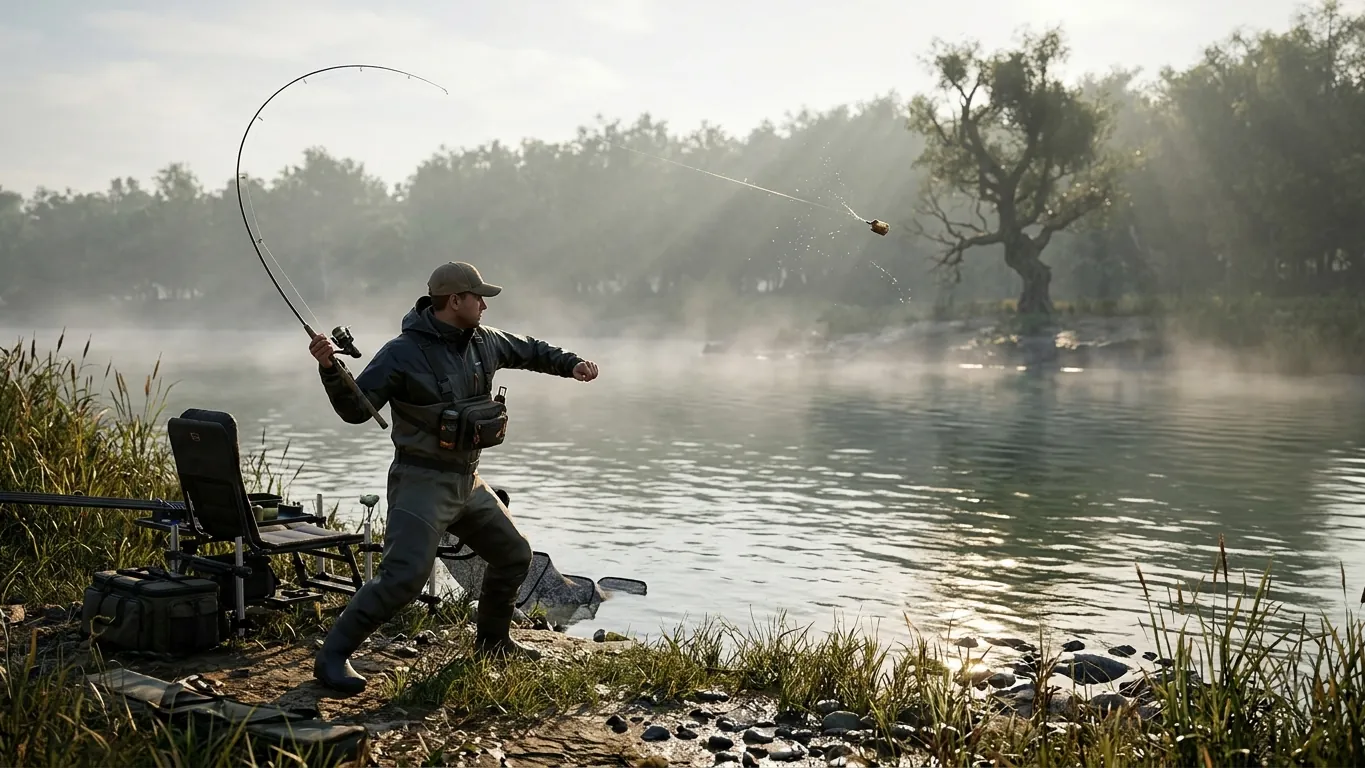 Putting every feeder in the same small circle
Learn how to land every feeder cast on the same spot in Russian Fishing 4 using far bank markers, the line clip and a repeatable casting routine.
Read more
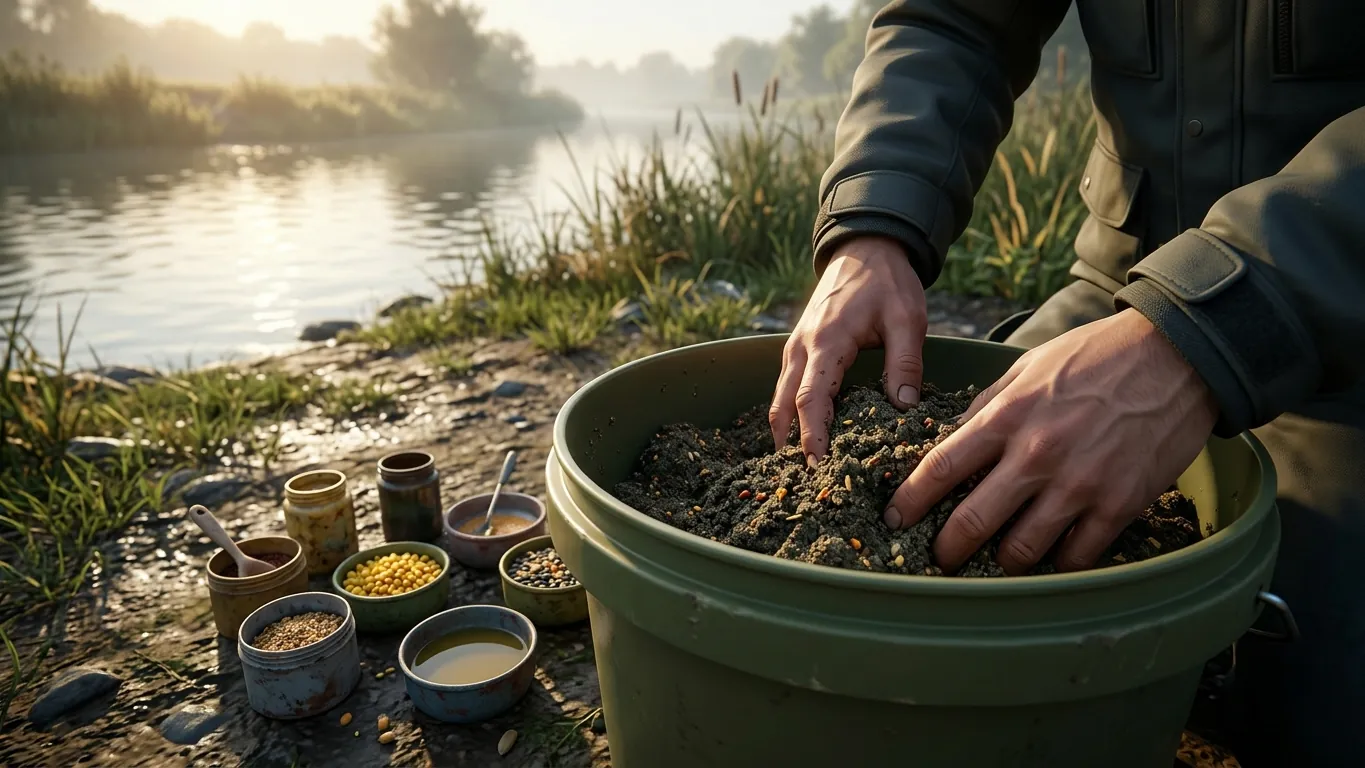 Feeding the swim with a plan instead of a bucket
How groundbait works in Russian Fishing 4 feeder sessions, how to build a mix around target fish, and how to pace feeding as the session develops.
Read more
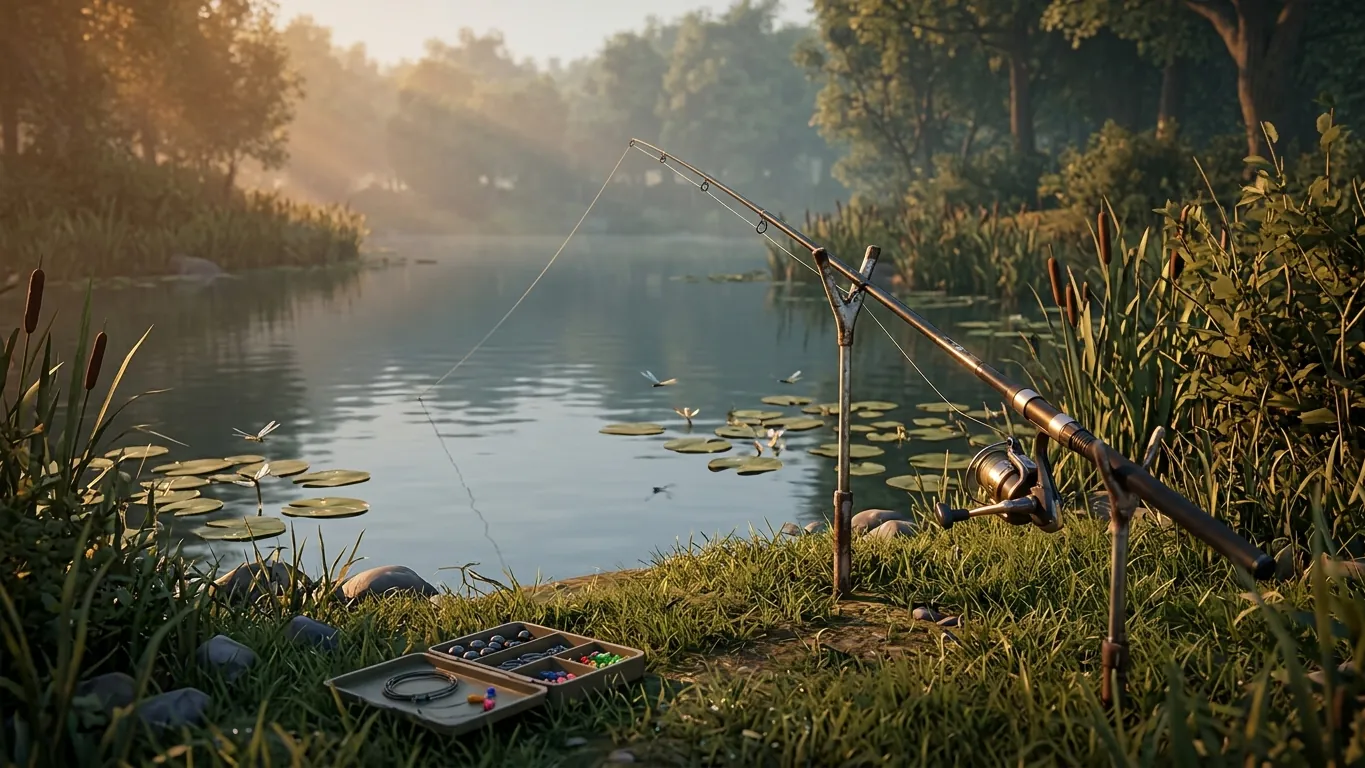 The simple bottom rig and why it still matters
A beginner-friendly explainer of bottom fishing rigs in Russian Fishing 4: how sinkers, leaders and hooks work together and how to assemble a first rig.
Read more